Hold It Right There: Hollywood Is Literally Building Movies Around Your Bladder Now
There is a moment in almost every long movie — somewhere around the 90-minute mark — where the audience collectively shifts in their seats. Not because anything dramatic just happened on screen. Because nature is calling, loudly, and nobody wants to miss the part where everything finally pays off. For decades, that tension was your problem. You should have used the restroom before the trailers. You knew what you signed up for.
Except Hollywood has apparently decided that your bladder is now a creative consideration. And that changes things considerably.
The App That Broke the Dam
If you want to trace the moment studios started treating bathroom breaks as a structural element rather than a personal failure, start with RunPee — a real, actual app that tells you the optimal moments to leave a theater without missing anything important. It has been downloaded millions of times. Millions. That is not a niche product. That is a symptom.
The app's existence essentially proved what theater owners had long suspected: audiences are not passive vessels absorbing art. They are humans with finite bladder capacity who paid fifteen dollars for a ticket and would very much like to stay hydrated. Once that reality became undeniable, it was only a matter of time before the people making the films started accounting for it.
And account for it they have — just not always in the ways you might expect.
Streaming Rewired the Whole Equation
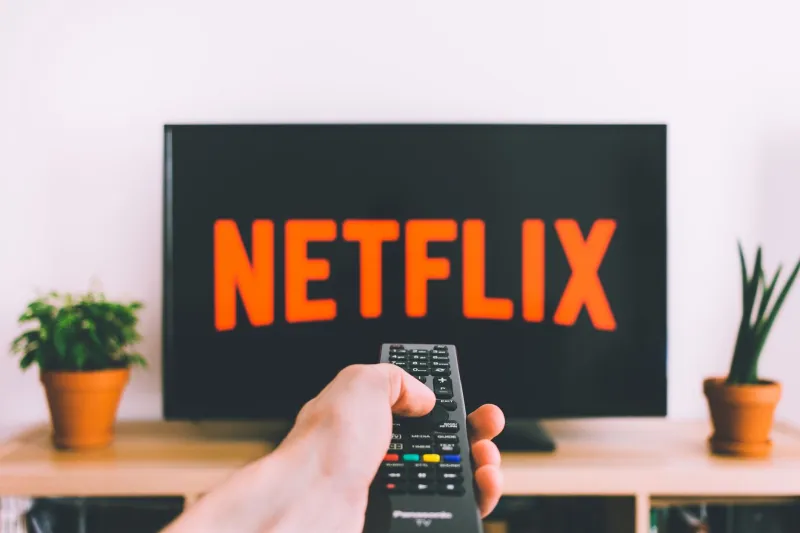
The theatrical bathroom break problem is inconvenient. The streaming version of the same problem is an entirely different animal, because streaming gave everyone a pause button. And a pause button changes everything.
When you are watching something on Netflix or Max or whatever service you are currently rage-subscribing to, there is no social contract forcing you to stay seated. You can stop at any moment. You can get a snack, check your phone, start a load of laundry, have a brief existential crisis, and come back. The film will wait. The film has no choice.
This behavioral shift has been measurable. Streaming platforms track exactly where viewers pause, rewind, or — most damningly — stop watching entirely. Those drop-off points are data. Data becomes notes. Notes become editorial decisions. Suddenly, the pacing of a film is not just an artistic choice. It is a retention strategy.
What this means in practice is that streaming originals are increasingly built with what industry insiders sometimes call "natural stopping points" — moments of low narrative tension that function almost like built-in intermissions. A scene transition that breathes a little longer than necessary. A quieter character exchange that does not demand your full attention. A moment designed, consciously or not, to be the place where you pause without feeling like you missed anything crucial.
The Return of the Intermission (Sort Of)
Here is something that will make your film-history-loving friend deeply uncomfortable at dinner: intermissions used to be completely normal. Epic films of the classic Hollywood era — your Lawrence of Arabias, your Ben-Hurs — were structured around them. A natural midpoint break was baked into the experience. The audience got up, stretched, visited the concession stand, processed what they had seen, and returned refreshed for act two.
Somewhere in the latter half of the twentieth century, that practice quietly died. Films got tighter, runtimes shrank (and then, paradoxically, ballooned again), and the intermission became a relic. Sitting through three hours without a break became a test of cinematic commitment. A flex, almost.
But the conversation is creeping back. When Oppenheimer clocked in at three hours in the summer of 2023, theater chains were quietly flooded with questions about whether an intermission would be offered. Some locations added one informally. The demand was real enough that Christopher Nolan — a director not exactly known for accommodating audience comfort over artistic vision — reportedly acknowledged the discussion. That alone tells you something has shifted.
A handful of prestige releases have since experimented with formal intermission cards or deliberate structural pauses. It is not yet a trend. But it is no longer a laughable suggestion.
What This Actually Reveals About Cinema Right Now
Let's be honest about what is really happening here, because it goes deeper than bladders and pause buttons.
The engineering of films around viewer comfort and restlessness reflects a fundamental renegotiation of the relationship between cinema and its audience. For most of film history, movies asked you to submit. You came to the theater on the film's terms. You sat in the dark. You did not check your phone. You endured discomfort because that was part of the deal — the deal being that something transcendent might happen if you gave the experience your full, uninterrupted attention.
Streaming blew that deal up entirely. It handed control back to the viewer and said: you set the terms now. And once viewers had that control at home, they started expecting it everywhere. The theatrical experience stopped feeling like a sacred contract and started feeling like an inconvenience that had not yet been updated.
Studios are not designing films around your bathroom break because they have given up on art. Most of them, at least. They are doing it because the audience has fundamentally changed what it is willing to endure for a story — and the industry is adapting to survive.
The Uncomfortable Truth for Film Purists
If you are the kind of person who finds this entire development mildly horrifying — who believes that a film's runtime is a deliberate artistic statement and that engineering pause points into a narrative is a form of creative compromise — your frustration is understandable. It is also, increasingly, beside the point.
The films that will be remembered twenty years from now are not going to be the ones that successfully resisted audience comfort. They are going to be the ones that found a way to make audiences forget they needed a break in the first place. The best argument against engineering movies around bladder capacity is simply making something so gripping that nobody wants to leave their seat.
That has always been the goal. It still is. The bathroom break economy is just a very unglamorous reminder of how high the bar actually is.
Now if you will excuse us, we have been holding it since the opening credits.