Digging Up Gold: How Smart Filmmakers Are Striking It Rich in Hollywood's Forgotten Basement
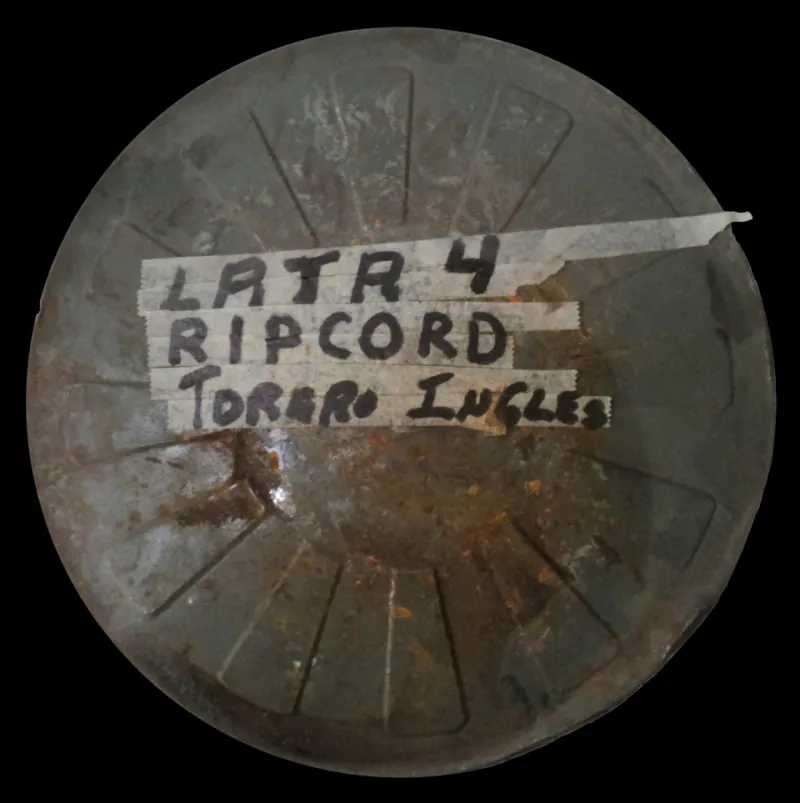
Photo: mannyisdead on Deviantart, CC BY 3.0, via Wikimedia Commons
Let's get one thing straight: Hollywood hasn't actually run out of ideas. It's just running out of obvious ones.
While the internet spends its energy rage-tweeting about yet another franchise reboot or a sequel nobody asked for, something genuinely interesting is quietly unfolding at the edges of the industry. A smarter, sneakier kind of revival is happening — one that doesn't announce itself with a flashy legacy trailer or a beloved cast reunion. It shows up looking like an original film, earns your trust, and only reveals its true DNA after you've already fallen in love with it.
Welcome to the age of the quiet rewrite.
The Art of the Invisible Source Material
Here's a fun experiment. Think about some of the most talked-about films of the last few years — the ones that felt genuinely fresh, the ones critics called "surprisingly original." Now go look up what they were actually based on.
You might be surprised how often you land on a 1970s novel nobody's read since high school, an obscure French film that had a limited theatrical run in three US cities, or a screenplay that sat in a studio drawer for twenty years because the technology to make it properly didn't exist yet. The "original" movie you loved? It had a blueprint. It just wasn't a blueprint anyone felt protective of.
That's the genius of it. When a filmmaker remakes something genuinely famous — a beloved classic, a cultural touchstone — they're walking into a minefield. Every choice gets compared. Every deviation gets dissected. Audiences arrive loaded with expectations and ready to be disappointed. But when you adapt something forgotten? You get to define the conversation entirely.
Why Obscurity Is the New Competitive Advantage
Producers and development executives have been quietly wising up to this dynamic for years. The logic is almost embarrassingly simple once you hear it: proven source material reduces risk, but well-known source material increases scrutiny. The sweet spot is something that already has a story worth telling — a structure, a concept, an emotional core that someone already stress-tested — but hasn't burned itself into the cultural memory deeply enough to generate backlash.
Think of it as the Goldilocks principle of intellectual property. Too familiar and you're fighting nostalgia. Too original and you're fighting skepticism. Just obscure enough, and you're in business.
This is why development slates at mid-tier studios and prestige streamers are increasingly full of acquisitions from estate sales, foreign film libraries, out-of-print novels, and spec scripts that were written in the 1990s and shelved when the original director walked. These aren't consolation prizes. They're strategic bets.
The Writers Who've Been Doing This Forever
It's worth noting that the best screenwriters have always operated this way — they've just rarely gotten credit for it. Adapting obscure material requires a specific skill set that's different from both original writing and high-profile adaptation. You're not starting from scratch, but you're also not handcuffed to audience memory. You're translating, reimagining, and often improving on something that had potential but never got its moment.
Some of the most celebrated screenwriters working today have built entire careers on this model. They find a forgotten short story, a mid-century pulp novel, a foreign-language film that never got a proper US release, and they do what good translators do: they find the emotional truth and rebuild it in a new language. The bones stay. The flesh is entirely new.
What makes this trend particularly interesting right now is that the barrier to finding this material has collapsed almost entirely. Film archives are being digitized. Out-of-print books are surfacing on academic databases. Script repositories that used to require industry connections are now accessible to anyone with patience and a library card. A writer sitting in an apartment in Austin or Atlanta has access to source material that would have required a research assistant and a trip to the Library of Congress twenty years ago.
The Financial Math Nobody Wants to Talk About
Let's be honest about something: there's a money angle here, and it's not subtle.
Option rights on obscure material are cheap. We're talking about acquiring the rights to a forgotten 1960s Italian thriller for less than the catering budget on a major production. When that film then gets picked up, earns awards buzz, and lands on a streaming platform's "Most Watched" list, the return on that initial investment is almost comical.
Compare that to the cost of acquiring rights to a recognizable IP — a popular novel series, a beloved animated property, a superhero franchise — and the math gets uncomfortable fast. Studios are paying hundreds of millions for the privilege of making something audiences will immediately compare to their childhood memories. Meanwhile, a scrappy producer who optioned a forgotten 1978 screenplay for four figures is sitting pretty.
This is quietly reshaping where smart money is going in Hollywood. Not toward the flashiest properties, but toward the most undervalued ones.
The Audience Side of the Equation
Here's what makes this trend genuinely exciting from a viewer's perspective: it means more movies that feel both familiar and surprising at the same time.
There's a reason those films hit differently — the ones that feel like they understand storytelling in some deeper way, that have a structural confidence you can't quite put your finger on. Often, that confidence comes from the fact that the story has already been told once before. The filmmakers knew what worked. They kept it. They threw out what didn't. You get the benefit of that refinement without ever knowing it happened.
It's not cheating. It's actually the oldest form of storytelling on earth. Shakespeare did it. Kurosawa did it. Half the films in the Criterion Collection are doing it to something older than they are.
What This Means Going Forward
If this trend continues — and there's every reason to believe it will — the conversation around originality in Hollywood is going to need some serious updating. The binary of "original versus remake" was always a little too clean. What's actually happening is more nuanced and, frankly, more interesting.
The best filmmakers working today aren't choosing between honoring the past and creating something new. They're doing both simultaneously, using forgotten material as a foundation and building something entirely their own on top of it. The result is films that feel genuinely fresh while carrying the structural weight of stories that have already proven their worth.
So next time a movie floors you with how good it is — how complete, how confident, how emotionally precise — maybe do a little digging. There's a decent chance someone already told that story once before.
They just didn't tell it this well.