After the Reckoning: How Malayalam Cinema Rebuilt Itself From the Inside Out
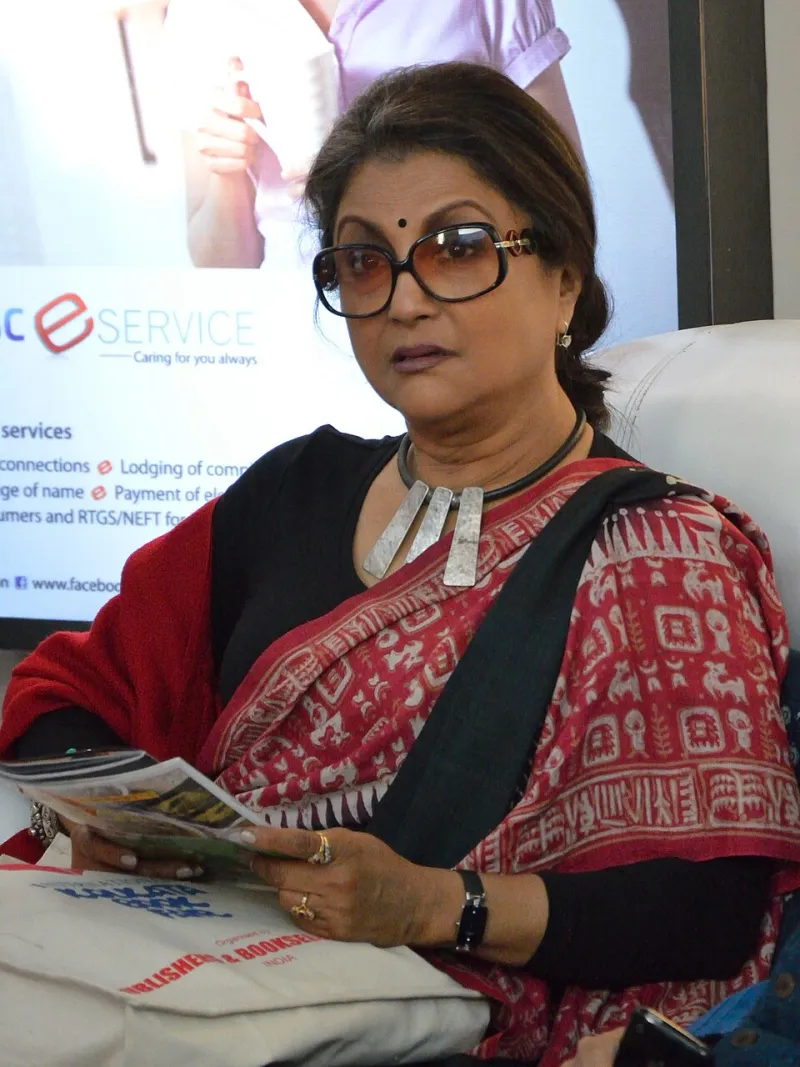
Photo: Biswarup Ganguly, CC BY 3.0, via Wikimedia Commons
If you've been watching Malayalam films on your couch in New Jersey or your apartment in Fremont and noticed something different — a shift in how women are written, how power is depicted, how certain actors are no longer getting the same roles they used to — you're not imagining it. Something genuinely changed in the Malayalam film industry over the past several years, and it started with a crisis that shook Mollywood to its core.
For diaspora audiences catching up through streaming platforms, the context can feel murky. You might have heard whispers about the "actor assault case" or seen certain names disappear from credits. This piece is your primer on what happened, what it means, and why it actually matters to the films landing in your watchlist right now.
What Actually Happened
In 2017, a prominent Malayalam actress was assaulted in a moving vehicle in Kochi. The investigation that followed didn't just expose one perpetrator — it pulled back the curtain on a deeply entrenched culture of silence, complicity, and unchecked power within the film industry. A superstar actor was later arrested on charges related to alleged conspiracy in the case, sending shockwaves through an industry where he had been considered untouchable.
Around the same time, the global #MeToo wave hit India hard. In Malayalam cinema specifically, it catalyzed something that had been building for years. Women in the industry — actresses, directors, crew members — began speaking out. The Association of Malayalam Movie Artists (AMMA), long dominated by male power brokers, faced demands for accountability it had never encountered before.
The Women in Cinema Collective (WCC) was born out of this moment. Founded by a group of actresses and women filmmakers, the WCC became one of the most organized and sustained advocacy efforts in any Indian film industry. They weren't just asking for apologies. They were demanding structural reform: written contracts, safe working conditions, gender-representative governance, and an end to the informal networks that had protected bad actors for decades.
The Fallout That Reshaped the Industry
What followed was messy, contentious, and — depending on who you ask — still incomplete. Several prominent figures faced public scrutiny. Some careers stalled. AMMA eventually underwent significant internal changes, including the resignation of its then-president. The state government of Kerala, to its credit, responded more substantively than many expected, forming committees and commissioning reports on workplace safety in the film industry.
The Hema Committee Report, submitted to the Kerala government in 2019 but only partially released publicly in 2024, reportedly documented widespread harassment, exploitation, and a "power lobby" controlling who worked and who didn't. Its findings, when they became more widely known, reignited the conversation all over again — proving this wasn't a story with a tidy ending.
For diaspora audiences, this matters because it's not just industry gossip. It's the context behind what you're watching.
What Changed On Screen
Here's where it gets genuinely interesting for film lovers. The accountability movement didn't just change HR policies — it changed storytelling.
Filmmakers who had long wanted to tell more honest, complex stories about women found the cultural permission structure had shifted. Films like The Great Indian Kitchen (2021) — which became a streaming phenomenon among Indian Americans — were part of a broader wave of Malayalam cinema willing to sit with female interiority in ways that felt genuinely new. The film's unflinching look at domestic labor and silent suffering wasn't a coincidence; it emerged from an industry that had just spent years arguing about what women's experiences actually look like.
You also started seeing a change in how male protagonists were written. The swaggering, consequence-free hero who could charm or intimidate women into submission — a staple of mainstream Malayalam commercial cinema for decades — began feeling less comfortable on screen. Some filmmakers started deliberately complicating that archetype. Others abandoned it entirely.
Actors who aligned themselves publicly with reform, or who stepped back from projects connected to discredited figures, gained a different kind of credibility with audiences, particularly younger viewers and the diaspora community, who tend to consume Malayalam cinema alongside global content and bring different expectations to the screen.
What Diaspora Viewers Should Pay Attention To
If you're watching Malayalam films in the US, here are a few things worth keeping in mind as you navigate the current landscape.
Check who's behind the camera. The WCC and allied filmmakers have been intentional about creating space for women directors and writers. When you see a Malayalam film with a woman in a key creative role, there's often a story behind how that opportunity came to exist.
Notice how female characters are positioned in the narrative. Are they reacting to male decisions, or driving their own? Do they have interiority — desires, fears, contradictions — that exist independent of the male lead? Malayalam cinema has gotten noticeably better at this, though it's still uneven.
Be aware of ongoing controversies. Some actors whose names appear in your streaming recommendations remain subjects of unresolved legal proceedings or public controversy. Whether that affects your viewing choices is personal, but being informed is worth it.
Streaming platforms are curating this. Services like Mubi and even Netflix India have leaned into the more critically acclaimed, reform-aligned wave of Malayalam filmmaking. What's getting promoted internationally often reflects a particular vision of what Mollywood can be — which is worth appreciating while also recognizing it's a curated slice.
Still a Work in Progress
Let's be honest: the Malayalam film industry hasn't solved its problems. Legal cases drag on. Power structures are stubborn. And the commercial pressures that reward star vehicles over challenging narratives haven't disappeared. There are legitimate criticisms that reform has been more symbolic than structural in some corners of the industry.
But compared to where things stood a decade ago, the shift is real and visible — both in the conversations happening within the industry and in the films actually reaching screens. For those of us watching from California or Texas or New York, that shift is part of what we're experiencing every time we sit down with a Malayalam film that feels more honest, more complicated, and more willing to hold a mirror up to itself.
That's not nothing. That's actually kind of remarkable.